Optimised and finalised the entire backend, locking in the stable foundation that powers every part of Aura Clarus.
Download PDFThis month we brought the backend to completion, moving it from active development into an optimised, finalised state that now serves as the stable technical foundation beneath everything Aura Clarus does. The work focused as much on optimisation as on finishing, tightening how data is processed and served so that the system runs efficiently and predictably rather than simply working, which is exactly the kind of groundwork that pays off as usage grows. With the backend finalised, the most important architectural questions are settled, and the rest of the product, from the mobile and desktop apps to the hardware, can now build against one dependable, well-understood system instead of a moving target. Reaching this milestone means our infrastructure is no longer a work in progress but a committed, production-ready spine, and it clears the way for us to spend the coming months on the experiences that sit on top of it rather than the plumbing underneath.
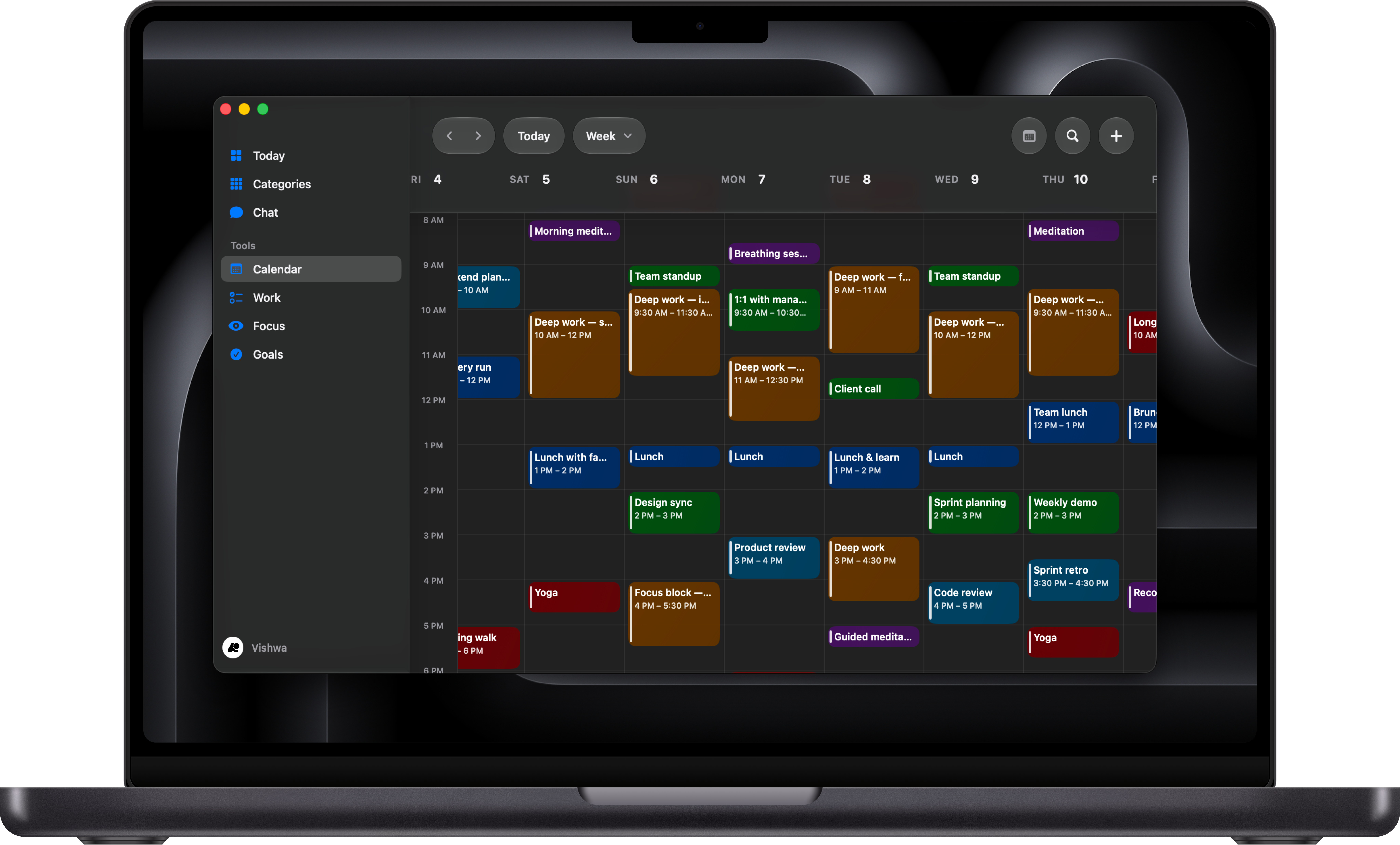
This month the Aura Clarus desktop app went through a significant design change, reworking how the whole experience looks and feels so that it lands with the clarity and calm we want users to sense the moment they open it. Rather than a surface reskin, the update rethinks layout, hierarchy, and flow across the app, making the important things easier to find and the everyday interactions feel lighter, more considered, and more distinctly ours. The refreshed design also pulls the desktop experience into tighter alignment with the rest of the product, so that moving between devices feels like staying inside one coherent Aura Clarus rather than switching between different apps. With this design change in place, the desktop app looks and feels much closer to the finished product we are building toward, and it gives us a confident visual foundation to develop against as we push the desktop experience forward toward its beta and beyond.
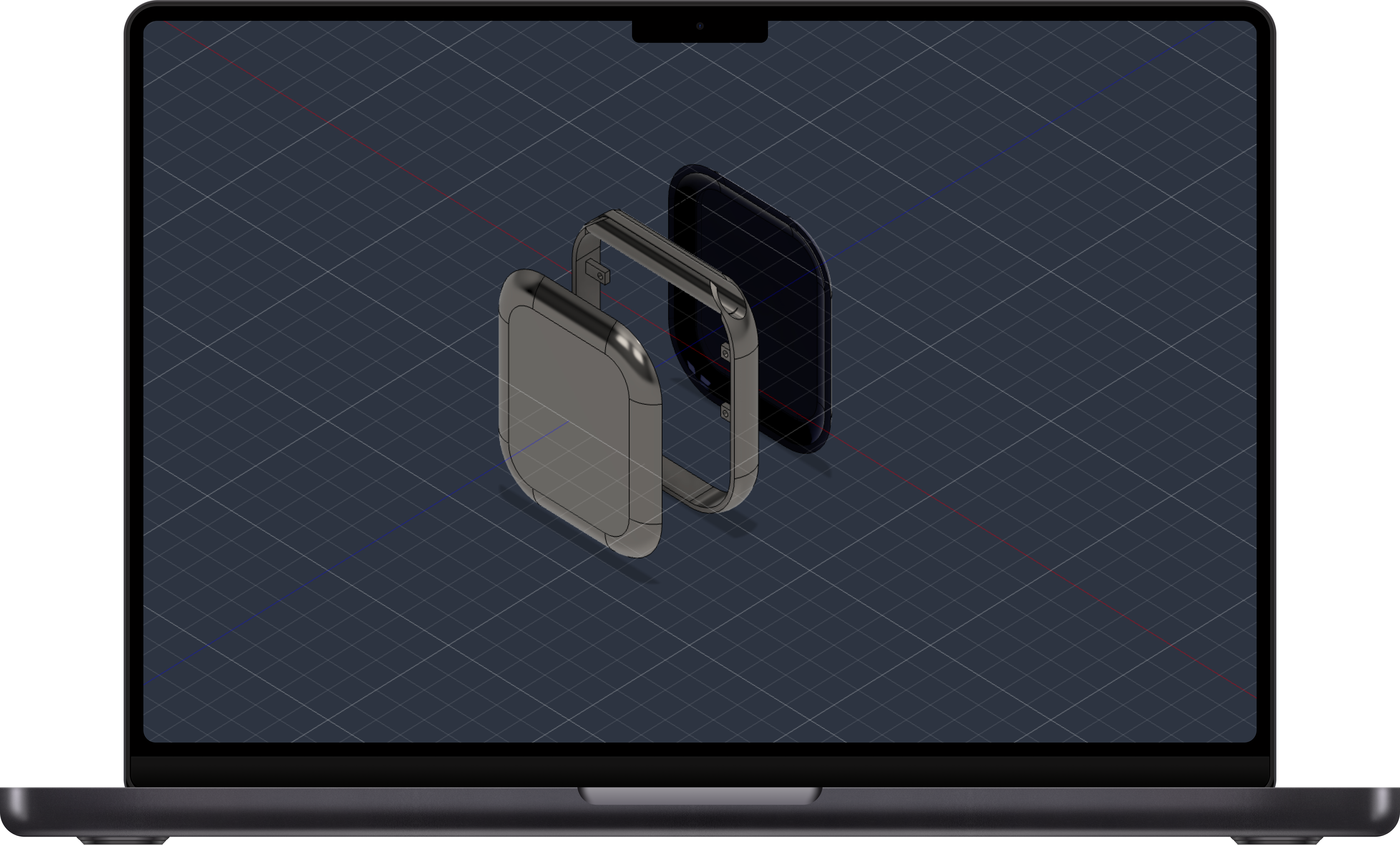
On the hardware side, we updated our CAD model with a new design that captures the latest thinking on how the physical device should look, fit, and be built. A CAD model is far more than a picture; it is the precise three-dimensional definition of every surface, tolerance, and part relationship, and updating it means our understanding of the product's form has matured to the point where it can be committed to exact geometry. This new model reflects real refinements to the shape and structure of the device, bringing the industrial design closer to something both beautiful to hold and genuinely manufacturable at scale. With an updated CAD model in hand, we have a single accurate source of truth for the hardware that prototyping, tooling, and manufacturing conversations can all be driven from, keeping the physical product moving forward in lockstep with the electronics and the software.
Launched our official YouTube channel for tutorials, a podcast, and everything leading up to product launch.
Visit ChannelThis month we launched our official IBT Aura YouTube channel, giving the company a proper home for video and a direct, human way to bring people along on the journey. The channel is built around three things: clear tutorials that help users get the most out of Aura Clarus, a podcast where we share deeper conversations about health, technology, and the story behind what we are building, and the videos that will carry our product launch to the world when the time comes. Video lets us show rather than tell, whether that means walking through how a feature works, opening up the thinking behind a decision, or simply letting people see the faces and the values behind the product. Starting the channel now, ahead of launch, means we can build an audience and a rhythm of content early, so that by the time Aura Clarus is in people's hands there is already a familiar, trusted place for them to learn, watch, and follow along.
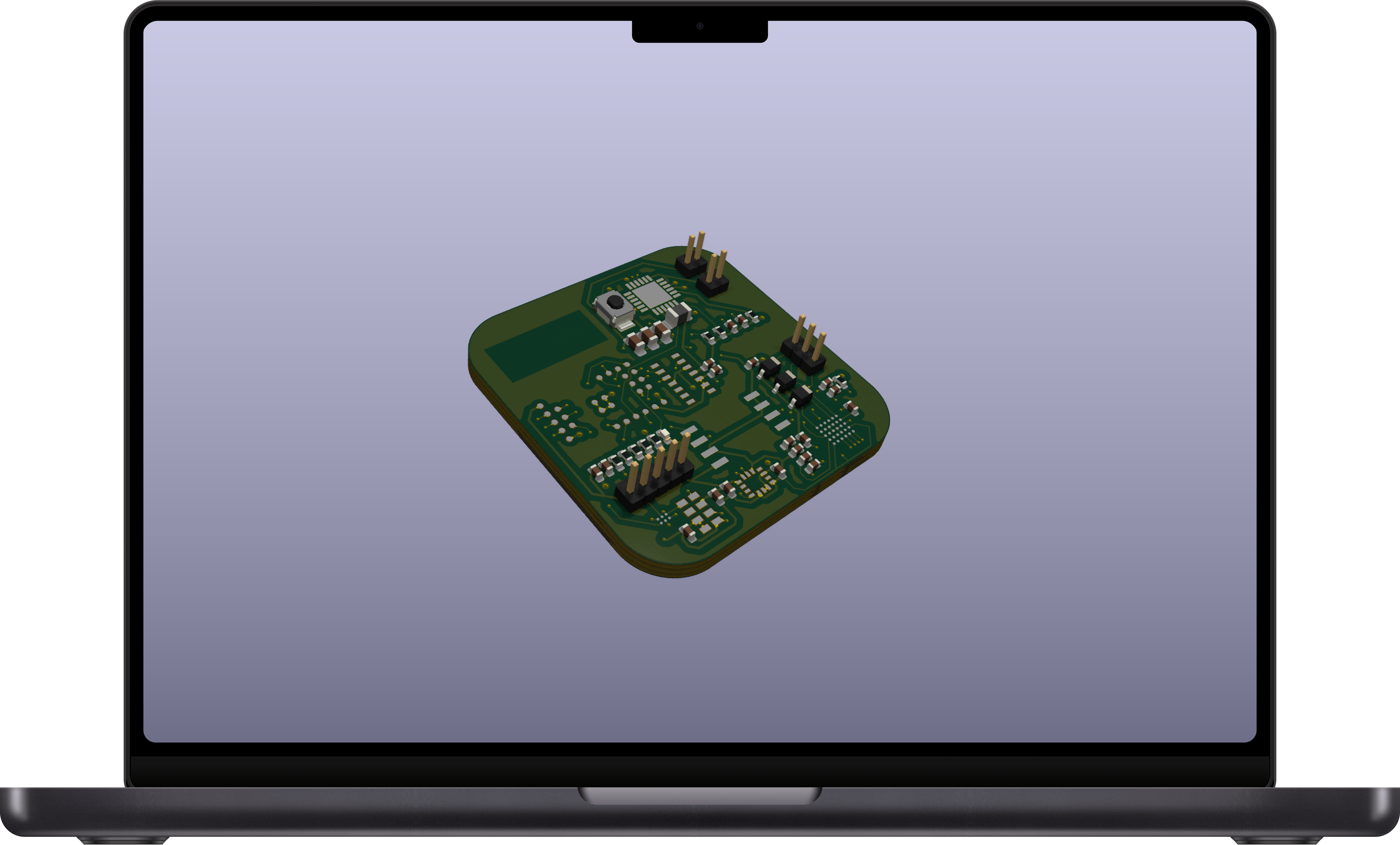
We also updated the PCB with a new model this month, advancing the board design a further step as our understanding of the electronics continues to sharpen. Each revision of the PCB brings the layout, routing, and component placement closer to a clean, reliable, production-ready state, and this new model folds in the latest refinements to how the board is organised and how its parts fit together. Keeping the PCB moving in step with the updated CAD model matters, because the board and the enclosure have to agree precisely on space, mounting, and fit for the device to come together as one integrated product rather than two designs forced to coexist. With this updated PCB model in place, the electronics stay aligned with the hardware's physical form, and the whole device edges closer to the point where design gives way to prototyping and, ultimately, to building the real thing.